Blog
The Sodatide Blog
Nine long reads behind the Sodatide label. Two take the probiotic apart, one on the names a study needs and one on what a CFU count is and why it falls. One defines prebiotic, probiotic and synbiotic from the sources and asks which of the three this bottle can support. One reads the two fibres against FDA's dietary fibre definition. One sets out what NIH publishes about supplements and body weight. One does the arithmetic on a 60-day guarantee. Three newer reads take the search words tablets, capsules and diet pill back to the printed label. Every source is a US government page you can open yourself.
By the Sodatide Editorial Team · Medically reviewed by Dr. Meetal Mehta, Physician · Revised
All posts
Nine posts, and what each one is for
Each one answers a single narrow question in full rather than a long list of questions in outline. They are written to be useful whether or not you ever buy anything, and every one of them was last updated on November 4, 2026.
October 30, 2026 · Soda Tide tablets
Soda Tide Tablets: Is It a Tablet, a Capsule, or Something Else?
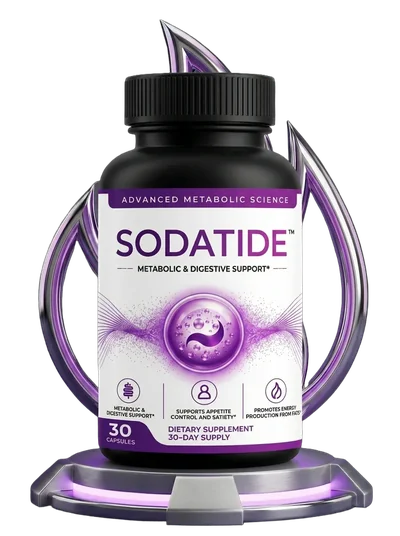
Soda Tide tablets: the bottle says capsules, 30 to a bottle, one a day. See what the label prints, what it leaves out and how to check before you order.
1,111 words · By the Sodatide editorial team
October 30, 2026 · Soda Tide capsules
Soda Tide Capsules: What One Capsule Holds and How Packs Add Up
Soda Tide capsules explained with plain sums: 211 mg, 100 mg and 36 mg in one capsule, 30 per bottle, and 60, 90 or 180 days per pack.
898 words · By the Sodatide editorial team
October 30, 2026 · Soda Tide diet pill
Soda Tide Diet Pill: What the Label Claims and What It Leaves Out
Soda Tide diet pill: the bottle calls it a dietary supplement for metabolic and digestive support. See what it prints, what it does not and how to read it.
902 words · By the Sodatide editorial team
September 30, 2026 · Naming a probiotic
Genus, species, strain: why a label that stops at the species can only be partly checked
The four rungs of probiotic identity, why NCCIH says findings do not carry between organisms, and what this label prints on each rung.
1,946 words · By the Sodatide Editorial Team
September 30, 2026 · CFU counts
What a CFU count is, why it declines, and what refrigerate after opening is telling you
A colony-forming unit counts living organisms, NIH says the number falls between manufacture and use, and the brand concedes potency with no figure.
1,916 words · By the Sodatide Editorial Team
September 30, 2026 · Three words
Prebiotic, probiotic, synbiotic: three words, and which one this label evidences
The three words defined from NCCIH and NIH, what evidence each one requires, and how far a label with weights but no CFU count can support each one.
1,904 words · By the Sodatide Editorial Team
September 30, 2026 · The fibre definition
Chicory root inulin, resistant starch, and what intends to propose actually means
What FDA's dietary fibre definition covers, the six beneficial effects it gives as examples, and why intends to propose is not a finding.
1,901 words · By the Sodatide Editorial Team
September 30, 2026 · Supplements and weight
What NIH actually says about dietary supplements and body weight
Little scientific evidence that weight-loss supplements work, an unresolved question on probiotics, and a category warning that is not about this product.
1,948 words · By the Sodatide Editorial Team
September 30, 2026 · Reading a guarantee
Reading a 60-day guarantee against 60, 90 and 180 days of product
The four questions that tell a real refund promise from a decorative one, then the arithmetic of one window against packs lasting 60, 90 and 180 days.
1,929 words · By the Sodatide Editorial Team
In more detail
What you will find inside each one
The naming post, 1,946 words
Genus, species, strain and a count in colony-forming units, taken one rung at a time, with what each one settles and what it leaves open. Then the NCCIH sentence that stops findings being borrowed between organisms, a ladder of four disclosure levels a probiotic label can sit on, and where this one sits. It ends on four questions for the order line in the order worth asking them.
The CFU post, 1,916 words
What a colony-forming unit counts and why the unit is worded so carefully, then NIH's sentence about the number declining between manufacture and use. Four points at which a count could be measured, four ways of stating one, and a close reading of the storage advice given for this bottle, which gives potency as its reason while publishing no potency figure.
The three words post, 1,904 words
Prebiotic, probiotic and synbiotic defined from NCCIH and NIH, with what each one requires before a reader can check it. A prebiotic claim is settled by a name and a weight. A probiotic claim needs a name at three levels plus a count. A synbiotic claim needs everything both of the others need, which is why it is the most demanding of the three.
The fibre post, 1,901 words
FDA's dietary fibre definition in full, the six physiological effects it gives as examples, and the fact that none of the six is worded as weight loss. Then the verb: FDA has said it intends to propose adding inulin and high amylose starch to that definition, which is an announced step in a rulemaking rather than a finding about a capsule.
The weight post, 1,948 words
The sentence most people want to see, printed in full, plus what the same NIH fact sheet says about probiotics and body fat, the two fibres it names and the one it does not, and the category warning about adulteration that this site includes and refuses to point at any particular product. It ends on the three claims the bottle prints and the asterisk they carry.
The guarantee post, 1,929 words
Four questions that work on any money-back guarantee, then the arithmetic here: 60 days from purchase against packs that last 60, 90 and 180 days at one capsule a day. Cost per day runs one way and coverage runs the other, which is a trade worth making deliberately rather than by default.
Where to start
Six reasons someone opens this page, and the post for each
| What you are asking | Where to start | The post |
|---|---|---|
| You want to know why the probiotic cannot be looked up | Start with the naming post | Genus, Species, Strain: Naming A Probiotic |
| You are wondering what refrigerate after opening is for | Start with the CFU post | What A CFU Count Is, And Why It Declines |
| You keep seeing three similar words on packaging | Start with the three words | Prebiotic, Probiotic, Synbiotic: Three Words |
| You want to know what FDA has actually said about fibre | Start with the fibre post | Inulin, Resistant Starch And The Fibre Definition |
| You are buying with a number on a scale in mind | Start with the weight post | What NIH Says About Supplements And Body Weight |
| You are deciding which pack to buy | Start with the guarantee post | Four Questions To Ask Of Any Money-Back Promise |
House rules
How these posts are written
Every product fact is read off the label and the pack file
The 1 capsule serving, the 30 capsules a bottle, the three ingredient names, lot SOD-26/SO-3431 and certificate reference SOD-3431-26-SO all come from the label images and the supplier pack. Where the label is silent these posts write not published.
No CFU count is printed anywhere, including by us
The Supplement Facts panel gives 211 mg, 100 mg and 36 mg, but no CFU count and no strain codes. Nothing on this site converts into a dose, and no post here estimates one. The only quantities you will find are capsules, days, dollars and the figures our sources publish about ingredients in general.
The probiotic is named only to species, and that is the spine
The label prints Probiotic Blend and three species beneath it. There is no strain code and no CFU count. NCCIH says findings do not carry across between organisms, and NIH defines a probiotic as working when it is taken in sufficient amounts. With no strain code and no count, neither sentence can be applied to this bottle except in general.
Only five external sources are cited
Two NIH fact sheets, one NCCIH page and two FDA pages. All five were opened and read on October 30, 2026, and each post lists the ones it uses. None of the five tested Sodatide.
No reviews, no ratings, no order counts
No verified customer reviews are available, so none are shown. So no post here quotes a testimonial, a star score or a number of orders, and the reviews page explains that in full.
Corrections move the date on the page
Every post carries a last-updated date, currently October 30, 2026. If something here is wrong, write to the website team and the page changes with the date on it.
Looking for the product pages instead?
The blog is background reading. What the label prints is transcribed on the label page, the three ingredients are taken one at a time on the ingredients page, the cautions are on the cautions page, the packs and cost per day are on the pricing page, the window is on the guarantee page, and what the lot and certificate references are worth is on the testing and quality page.
This page indexes nine posts. The guides index indexes every page on the site, each with a real description of what is on it, and it is the longer treatment if you want the whole map rather than the blog.
The one line that sits above all of it
These statements have not been evaluated by the Food and Drug Administration. This product is not intended to diagnose, treat, cure, or prevent any disease. Beyond the species there is no strain code and no CFU count, though the panel does print every amount. That is the finding every one of these six posts is a different view of.
NIH's fact sheet on dietary supplements for weight loss says that weight-loss products marketed as dietary supplements are sometimes adulterated with prescription drugs or controlled substances, and that those ingredients will not be listed on the label. That is a sentence about a category of products. Nothing we have read says Sodatide has been tested for adulterants, nothing says it has been found to contain any, and nothing on this site suggests either.
Keep reading
Next on this site
Genus, species, strain: why a label that stops at the species can only be partly checked
The four rungs of probiotic identity, why NCCIH says findings do not carry between organisms, and what this label prints on each rung.
What a CFU count is, why it declines, and what refrigerate after opening is telling you
A colony-forming unit counts living organisms, NIH says the number falls between manufacture and use, and the brand concedes potency with no figure.
Reading a 60-day guarantee against 60, 90 and 180 days of product
The four questions that tell a real refund promise from a decorative one, then the arithmetic of one window against packs lasting 60, 90 and 180 days.