Sodatide Blog
What a CFU count is, why it declines, and what refrigerate after opening is telling you
A colony-forming unit counts organisms still alive enough to multiply, which is why NIH says the number a product contained at manufacture does not necessarily reflect what it contains when it is used. This label prints no CFU count and no expiry date; it weighs the blend at 36 mg, and the brand’s directions ask you to refrigerate after opening to preserve the potency of the probiotics.
By the Sodatide Editorial Desk · Medically reviewed by Dr. Meetal Mehta, Physician · Revised
What a colony-forming unit actually counts
A colony-forming unit counts live organisms, and the phrase is careful. It does not count cells. It counts units capable of growing into a visible colony, which is the laboratory way of saying units still alive and able to multiply.
That is why the unit exists. A probiotic is not a chemical, where a milligram is a milligram whatever its age. It is a population, and populations fall. A count is a snapshot, and the moment it was taken is part of the figure.
NIH describes where a buyer normally finds it: “The Supplement Facts label on a dietary supplement that contains probiotics lists the total weight of the microorganisms in the product. Many product labels also list the number of colony-forming units (CFUs) in a serving.” Two figures in one sentence, and both live in the Supplement Facts panel.
Why the number falls between the factory and your kitchen
Now the sentence that does most of the work here. NIH says: “The number of CFUs in a probiotic can decline over time. Therefore, the number of CFUs that a product contained when it was manufactured does not necessarily reflect the number of CFUs that the product contains when it is purchased or used.”
A number printed on a bottle can be accurate about the day of manufacture and still be wrong about the day you swallow the capsule. The figure is not false. It is about a different day.
It cuts both ways. A printed count is less informative than it looks, and a label with no count has removed even that imperfect anchor, because there is no figure to discount.
Nothing here says the decline is fast, or that any bottle has lost any particular share of its organisms. The rate is not something our sources put a number on. The direction is what is published, and the direction is down.
The four points at which a count could be measured
Because the count falls, when was it counted matters as much as the count. There are four natural points to measure at.


At manufacture
A count taken as the capsules are filled is the highest number in the story. NIH is direct about what it is worth to a buyer: “The number of CFUs in a probiotic can decline over time. Therefore, the number of CFUs that a product contained when it was manufactured does not necessarily reflect the number of CFUs that the product contains when it is purchased or used.”
Through storage and shipping
Between the fill line and the shelf a bottle is boxed, warehoused and delivered. The label gives no best-before date for Sodatide, so there is no published marker for how long that stretch may be.
At the moment you buy it
The count that matters to you, and the one least often printed. NIH separates it from the manufacturing figure in the same sentence.
On the last day of the bottle
One capsule a day makes a bottle 30 days, and a pack of six 180 days. The capsule taken on the last of them has been in the bottle longest, which is where a through-to-expiry guarantee would do its work. None is published here.
Step 1 of 4
As a table, with the last column read off this label:
| How the count is stated | What it promises | What this label states |
|---|---|---|
| A count at time of manufacture | The number that went in, which NIH says need not reflect what is there at use. | Not published |
| A count guaranteed to the printed expiry date | The strongest ordinary form of the promise: it covers the day you swallow it. | Not published, and no expiry date is printed |
| A total weight of the microorganisms | The figure NIH says a probiotic Supplement Facts label lists. | Printed: 36 mg for the blend as a whole |
| No count of any kind | Nothing to check, compare or hold against the phrase sufficient amounts. | This row. |
What refrigerate after opening is really telling you
Now the brand’s own directions for this bottle: refrigerate after opening to preserve the potency of the probiotics. The label itself says refrigerate for optimal quality.
Take the second half seriously. It does not mention taste, texture or moisture. It gives a reason, and the reason is potency of the probiotics, which is a claim about how many live organisms survive.
So the brand has told you three things at once. Potency matters. Potency can fall. And temperature after opening is one of the things that affects it. All three are stated by the brand itself, without prompting.
What the label has not told you is the number the potency is a potency of. The CFU count is not published; the Supplement Facts panel gives the blend as 36 mg, a weight rather than a count of anything alive.
A storage line is not an accusation
Nothing here says this product has lost potency, or that any particular bottle is weaker than it was. The rate of decline is not something our sources put a number on, and this site will not invent one. What is published is the direction, and the brand's own reason for asking you to refrigerate it.
A storage line is a concession, not a specification
Be precise about the logic, because it is easy to overstate.
A storage instruction is not a confession of a defect; plenty of well-made products carry one. What it is, is an admission that the contents change with conditions, written in the brand's own words about a property the brand has not quantified.
Put the two sentences next to each other and the shape is clear. The brand says potency is worth protecting. NIH says a count declines between manufacture and use. Neither of those is in dispute. What is missing is the only thing that would let a buyer act on them together: a starting figure.
One practical consequence. Six bottles is 180 days of product, and the instruction applies to whichever bottle is open, so storage is part of buying a large pack. How to take it sets out the routine the label describes.
What this bottle publishes, and what it does not
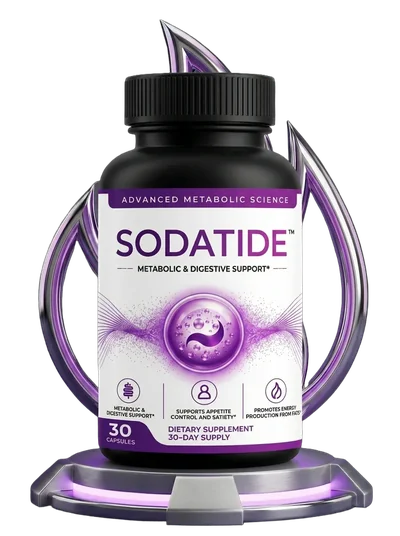
What this bottle publishes on the subject of amount: the front prints 30 CAPSULES, DIETARY SUPPLEMENT, 30-DAY SUPPLY, and the Supplement Facts panel gives 211 mg, 100 mg and a 36 mg blend, with no count beside the blend.
CFU count per capsule
Not published. There is a weight for the blend, 36 mg, but no count for it and no figure for any of the three organisms inside it.
Total weight of microorganisms
Printed as 36 mg for the blend. NIH says this is the figure a Supplement Facts label on a probiotic product lists, and this panel lists it.
Best-before or expiry date
Not published. Without one there is no published outer limit on how long the decline NIH describes has been running.
Storage instruction
Printed as refrigerate for optimal quality, with the brand adding: refrigerate after opening to preserve the potency of the probiotics. It is the only potency-related statement on the label.
The lot and certificate references supplied with this stock are draft label values, not laboratory proof. No certificate of analysis document has reached this desk, and a reference string is not a document.
What to do with a bottle whose count is not published
Practical, then.
Follow the storage line exactly. It is the one instruction the label gives about potency and it costs nothing to follow.
Do not buy more than you will get through. The count is falling from a figure you were never given. Six bottles is 180 days at 1 capsule a day.
Ask for the count in writing. The order desk is on the order desk (number in the footer). Ask for the CFU count per capsule and whether it is a figure at manufacture or one guaranteed to the end of shelf life. Those are two different answers.
Do not treat the storage line as a specification. It tells you what to do. It does not tell you what you have.
What would change this assessment
This site publishes what would move its assessment, so the assessment is falsifiable.
A CFU count on the panel
One photograph of a label showing a CFU count, with the date it applies to, would answer most of this post.
A count with a measurement point attached
A figure plus at manufacture or guaranteed through expiry is worth far more than a figure alone, because NIH's sentence about decline is about the difference between the two.
A printed best-before date
It sets the outer edge of the interval the decline runs across.
A certificate of analysis document
Not a reference string. A document. The lot and certificate references supplied with this stock are draft label values, not laboratory proof. No certificate of analysis document has reached this desk, and a reference string is not a document.
Until then the summary is short. The brand concedes that potency matters, publishes no potency figure for the three species it names, and gives a storage instruction that is good advice rather than a substitute for a number. The testing and quality page sets out what the lot and certificate references are worth.
This post is about one number. For the category around it, the probiotics guide is the longer guide and the fuller treatment: what a probiotic is, how a count sits inside the definition, and what NIH and NCCIH publish on safety.
Try Sodatide with 60 days to change your mind
Three bottles is $69 each with free US shipping, and 90 days of product sits against a 60-day window. Two bottles is $79 each, plus $9.99 shipping, if you would rather start smaller.
Add to cart, $207 for 3 bottles
Order desk: listed in the footer · opening hours not published
References
- National Institutes of Health, Office of Dietary Supplements. Probiotics: Fact Sheet for Consumers. https://ods.od.nih.gov/factsheets/Probiotics-Consumer/
- National Center for Complementary and Integrative Health. Probiotics: What You Need To Know. https://www.nccih.nih.gov/health/probiotics-what-you-need-to-know
- U.S. Food and Drug Administration. Questions and Answers on Dietary Supplements. https://www.fda.gov/food/information-consumers-using-dietary-supplements/questions-and-answers-dietary-supplements
Every source above was opened and read on September 30, 2026. None of them tested Sodatide itself. They describe the named ingredients and the product category, which is a different thing from testing this finished formula.
Keep reading
Next on this site
Genus, species, strain: why a label that stops at the species can only be partly checked
The four rungs of probiotic identity, why NCCIH says findings do not carry between organisms, and what this label prints on each rung.
Reading a 60-day guarantee against 60, 90 and 180 days of product
The four questions that tell a real refund promise from a decorative one, then the arithmetic of one window against packs lasting 60, 90 and 180 days.
Testing and quality, honestly
What the lot and certificate references are, what a seal in listing artwork is worth, and what would change our assessment.