How it is meant to work
Prebiotic, probiotic, synbiotic, and the step where it stops being checkable
Five steps, each one anchored to a source we opened and read. The fourth is the one this whole site turns on.



A prebiotic is food, not an organism
NCCIH defines it: “Prebiotics are nondigestible food components that selectively stimulate the growth or activity of desirable microorganisms.” Two of the three named ingredients sit in that description. Chicory root inulin is a soluble fibre and potato resistant starch resists digestion in the small intestine, which is what lets a fibre reach the lower gut at all.
FDA has said it intends to propose adding inulin and inulin-type fructans and high amylose starch, which is resistant starch 2, to the dietary fiber definition. A category statement, and a useful one, but it carries no amount and it is not about this product.
A probiotic is an organism, in an amount
NIH defines it: “Probiotics are live microorganisms (such as bacteria and yeasts) that provide health benefits when they are taken in sufficient amounts.” Read the last four words. The amount is inside the definition, not beside it, because an organism that does not arrive in sufficient quantity is not doing the thing the definition describes.
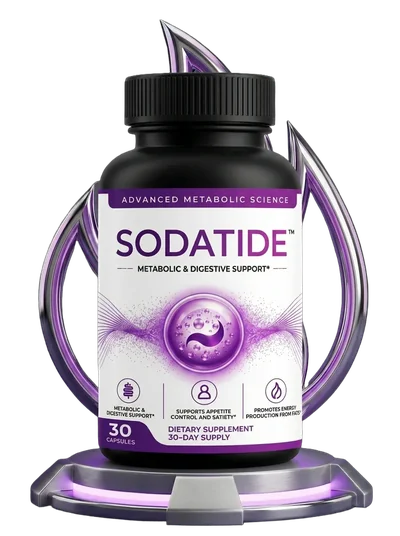
This label prints Probiotic Blend and then three species: Bifidobacterium infantis, Clostridium butyricum and Akkermansia muciniphila. There is no strain code and no CFU count.
A synbiotic is the two together
NCCIH again: “Synbiotics are products that combine probiotics and prebiotics.” That is the shape of this label exactly: two fibres and a blend of organisms, in one capsule, taken once a day.
The shape is coherent, and it is the strongest thing that can honestly be said for the design. A shape is not a dose, and it is not evidence.
The step where the chain breaks
Everything above is about probiotics in general. To carry any of it onto this bottle you would need to know which strain is in it, and NCCIH says why: “Different types of probiotics may have different effects,” in NCCIH’s words. “For example, if a specific kind of Lactobacillus helps prevent an illness, that doesn't necessarily mean that another kind of Lactobacillus or any of the Bifidobacterium probiotics would do the same thing.”
With no strain code and no CFU count, no strain-level finding can be matched to this capsule, and none can be ruled out. The two fibres are in a different position: 211 mg and 100 mg are printed, so they can be set beside what was studied, and they come out small.
What is left that can be checked
Four things, and they are worth having. The capsule count is 30 and the serving is 1 capsule, so a bottle is 30 days and the two printed numbers agree. The directions are specific: The directions are 1 capsule daily with an 8 oz. glass of water. The brand’s own advice is a morning dose, ideally before a meal. The brand’s directions are specific: once the bottle is open, keep it refrigerated to protect the probiotics. And the money-back window is 60 days from purchase.
Those are the parts a buyer can hold this product to. Everything else on this page describes a category.
Step 1 of 5