Sodatide Blog
Genus, species, strain: why a label that stops at the species can only be partly checked
A probiotic study names a genus, a species and a strain, and reports a count in colony-forming units. All four are needed before a published finding can be attached to a bottle. Sodatide prints Probiotic Blend with three species beneath it and stops there, so its Supplement Facts panel carries no strain code and no CFU count.
By the Sodatide Editorial Desk · Medically reviewed by Dr. Meetal Mehta, Physician · Revised
The chain of names a probiotic study actually uses
Open any consumer page on probiotics and you meet a chain of names: genus, then species, then strain, then a count of how many live organisms a serving contains. Research climbs all four rungs before it reports anything, and a buyer has to climb all four before a published result can be attached to a bottle. It is the only mechanism by which a sentence in a journal can be connected to a capsule in a hand.
NIH defines the category in one line: “Probiotics are live microorganisms (such as bacteria and yeasts) that provide health benefits when they are taken in sufficient amounts.” Read the end of it. Sufficient amounts sits inside the definition, so a count is not an optional extra. It is part of what the word means.
Four rungs, and what each one settles
Here are the four rungs one at a time. Each panel ends on what this label prints at that rung. This label clears the first two rungs and stops before the last two. Where it stops is the finding.
The genus is the first word, and the broadest
Lactobacillus, Bifidobacterium, Saccharomyces. A genus is a large family, and organisms inside one behave differently from each other. NCCIH: “Different types of probiotics may have different effects,” in NCCIH’s words. “For example, if a specific kind of Lactobacillus helps prevent an illness, that doesn't necessarily mean that another kind of Lactobacillus or any of the Bifidobacterium probiotics would do the same thing.” This label reaches this rung for all three of its organisms: Bifidobacterium, Clostridium and Akkermansia.
The species is the second word, and it still is not the answer
L. rhamnosus, B. longum, and so on. A species narrows a genus to organisms that share a great deal. It is where most people think a probiotic has been identified, and one rung short of where research works. Here it is printed: B. infantis, C. butyricum and A. muciniphila.
The strain is the identifier a trial is run on
A strain is the letters and digits after the species, and it is the thing a published trial tests. It is the join between a finding and a bottle. Here it is not published.
The CFU count is the amount, and amount is in the definition
Colony-forming units per serving. NIH defines probiotics as “Probiotics are live microorganisms (such as bacteria and yeasts) that provide health benefits when they are taken in sufficient amounts.” Sufficient amounts is part of the definition, so a probiotic with a weight but no published count has not been described in the terms its own definition uses. Here the CFU count is not published.

Why a finding does not travel from one organism to another
The reason the chain matters is one sentence from NCCIH, worth reading rather than summarising. “Different types of probiotics may have different effects,” in NCCIH’s words. “For example, if a specific kind of Lactobacillus helps prevent an illness, that doesn't necessarily mean that another kind of Lactobacillus or any of the Bifidobacterium probiotics would do the same thing.”
It does not say probiotics do not work. It says a result belongs to the organism it was found in, and the example NCCIH chooses is close to home: one kind of Lactobacillus against another. A finding that will not travel that far will not travel from one strain to a different, unnamed strain of the same species.
This is where marketing copy quietly changes the subject: it describes probiotics in general and leaves the reader to assume the statement covers the bottle.
On weight in particular, NIH is careful in both directions: “Some studies have shown that probiotics might slightly reduce body weight or body fat. Other studies have shown that probiotics have no effect or might even increase body weight.” Both clauses are about probiotics named well enough to be studied.
What this label prints on each of the four rungs
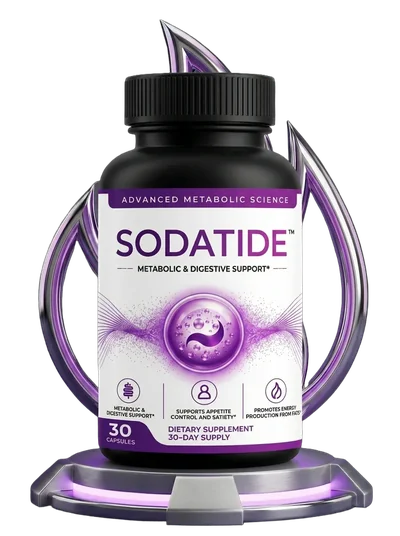
So what does this bottle print? The ingredients listing names three things: Chicory Root Inulin, Potato Resistant Starch, Probiotic Blend. The third is the one the product is built around and the one that can be checked only to species. The label prints Probiotic Blend and names three species under it: Bifidobacterium infantis, Clostridium butyricum and Akkermansia muciniphila. There is no strain code and no CFU count. Set that against the disclosure levels a probiotic label can sit on.
| What a label prints | What a reader can do | What stays out of reach |
|---|---|---|
| Genus, species, strain and a CFU count | Look the strain up and compare the serving against what was tested. | Whether the bottle holds what it says. That needs a test, not a label. |
| Genus and species, with a CFU count | Narrow the literature to one species and see the amount. | Which strain was tested, which is the level findings are reported at. |
| A genus only, with no amount | Know the family, which NCCIH says settles almost nothing. | Species, strain and amount, which is everything a comparison needs. |
| Genus and species with a weight but no count, which is this label | Narrow the literature to three species and see the blend weight. | The strain and the live count, which is where findings are reported and doses are set. |
The bottom row is this label. It gives a reader something to search, then stops before the strain, so a trial result can be matched only to the species.
What this page will not do
Guess. The species are printed; the strain codes and the count are not, so any strain or CFU figure written here would be one we invented. An invented figure reads exactly like a real one, which is what makes it worse than an admitted gap.
The panel that would normally carry the last rung
The panel is where the last rung would be printed. NIH describes what a probiotic label normally carries: “The Supplement Facts label on a dietary supplement that contains probiotics lists the total weight of the microorganisms in the product. Many product labels also list the number of colony-forming units (CFUs) in a serving.”
Two figures there, a total weight of microorganisms and often a CFU count per serving, and both live in the Supplement Facts panel. For Sodatide the panel gives a 36 mg total for the blend and amounts for the two fibres, but no CFU count.
That changes what kind of gap this is. A missing strain on an otherwise complete panel is one omission, and it is the one this label makes. The label page transcribes every line the bottle does print.
What no amount of reading can recover
Several reasonable questions cannot be answered from what is published.
You cannot look up the strain. A search can reach the three species, but not the strain a trial would name.
You cannot compare it to another bottle. Two products both printing Probiotic Blend could hold entirely different organisms at entirely different counts and read identically.
You cannot carry a study across. With the species named there are candidate studies to read; with no strain code, none of them transfers to this capsule with confidence.
You cannot check the amount against the definition. Sufficient amounts is in NIH's definition, and no live count is published here.
This site will not close those gaps by estimating. No published trial on the finished Sodatide formula appears in anything we have read, so every source on this site describes an ingredient or a category rather than this product.
The four questions, in the order worth asking them
What is left is a short list for the order desk, listed in the footer. Its opening hours are not published, so allow more than one attempt.
Which genus and species are in the blend?
The broadest question and the easiest to answer. Not enough to match a study, but it moves the product off the bottom of the ladder.
Which strain, or strains, and in what proportion?
This is the rung research reports at. Name a strain and the published literature on it becomes readable for the first time.
What is the CFU count per capsule, and when is it measured?
A count at manufacture and one guaranteed to the end of shelf life are different promises.
Is there a Supplement Facts panel, and can you send it?
The panel is where the first three answers are normally printed, with the two fibre amounts.
If all four answers match the label, the gap is not a printing oversight, which is worth knowing before you spend $207.
Deciding with the gap in front of you
None of this is an accusation. Naming no strain is not illegal and it does not mean the capsule is empty. What it means is narrower: nobody reading this label can establish what is in it or how much, and no published finding can be attached to it.
So the decision is not between a good product and a bad one. It is between buying something whose active ingredient is described by a category noun and not buying it, and the trade is worth making knowingly.
If you do buy, follow the label: The directions are 1 capsule daily with an 8 oz. glass of water. The brand’s own advice is a morning dose, ideally before a meal. Once it is open, the brand says, keep it refrigerated to protect the probiotics.
Healthy adults aged 18 or older only. Not for anyone under 18. Anyone taking medicine should speak to a doctor before use. Stay at the label dose unless a clinician advises otherwise.
This post takes one rung of the ladder at a time. the probiotics guide is the long guide to the whole category, and it is the fuller treatment: what a probiotic is, how the levels of identity fit together, and what NIH and NCCIH publish on safety.
Try Sodatide with 60 days to change your mind
Three bottles is $69 each with free US shipping, and 90 days of product sits against a 60-day window. Two bottles is $79 each, plus $9.99 shipping, if you would rather start smaller.
Add to cart, $207 for 3 bottles
Order desk: listed in the footer · opening hours not published
References
- National Institutes of Health, Office of Dietary Supplements. Probiotics: Fact Sheet for Consumers. https://ods.od.nih.gov/factsheets/Probiotics-Consumer/
- National Center for Complementary and Integrative Health. Probiotics: What You Need To Know. https://www.nccih.nih.gov/health/probiotics-what-you-need-to-know
- U.S. Food and Drug Administration. Questions and Answers on Dietary Supplements. https://www.fda.gov/food/information-consumers-using-dietary-supplements/questions-and-answers-dietary-supplements
Every source above was opened and read on September 30, 2026. None of them tested Sodatide itself. They describe the named ingredients and the product category, which is a different thing from testing this finished formula.
Keep reading
Next on this site
What a CFU count is, why it declines, and what refrigerate after opening is telling you
A colony-forming unit counts living organisms, NIH says the number falls between manufacture and use, and the brand concedes potency with no figure.
Prebiotic, probiotic, synbiotic: three words, and which one this label evidences
The three words defined from NCCIH and NIH, what evidence each one requires, and how far a label with weights but no CFU count can support each one.
What this label prints, line by line
Every line the bottle carries, the panel that does not exist, and the list of everything the label leaves out.